

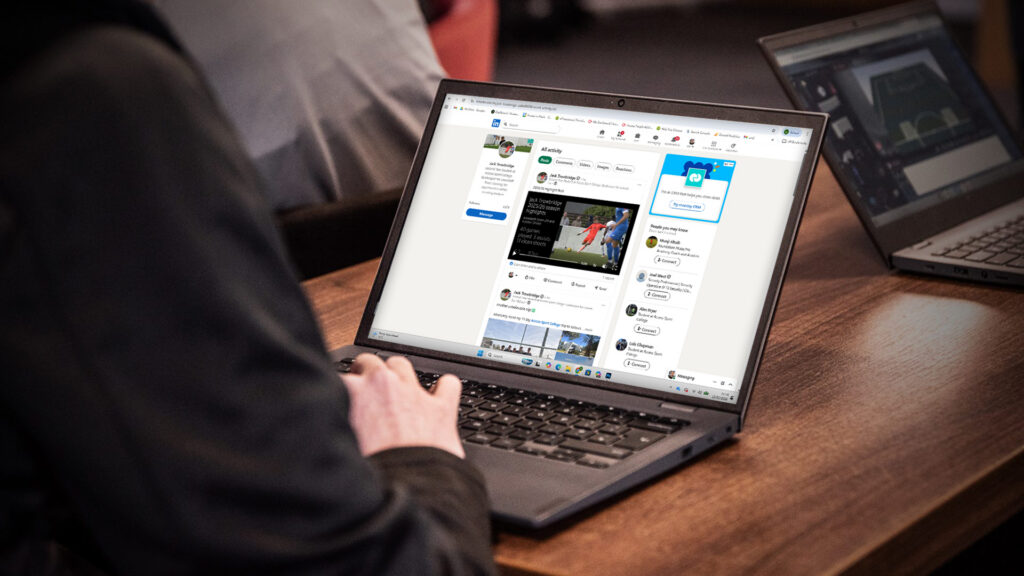
Whether you’re aiming for a role in sport coaching, performance analysis, physiotherapy, sport marketing, or administration, LinkedIn has become one of the most valuable tools for building your professional presence within the UK sports industry. From connecting with organisations such as UK Sport, Sport England, the English Institute of Sport, and the Premier League, to showcasing your knowledge and personality, LinkedIn creates opportunities that traditional job boards often cannot provide.
Used effectively, it can help you build meaningful relationships, stay informed about the industry, and position yourself as a strong candidate within a highly competitive sector.
Build a Standout Profile That Reflects Your Sporting Identity
Your LinkedIn profile acts as a dynamic digital CV, so it’s important to tailor it specifically to the UK sport sector. Start with a clear and compelling headline that immediately communicates your ambitions and expertise. Rather than using a broad title such as “Sports Science Graduate,” consider something more specific and engaging, such as “Aspiring Performance Analyst Skilled in GPS Data and Video Analysis” or “Sport Marketing Professional Specialising in Fan Engagement and Sponsorship Activation.” A focused headline helps recruiters and industry professionals quickly understand your direction and strengths.
Your “About” section is equally important because it gives you the opportunity to show personality as well as professionalism. Use this space to explain your passion for sport, highlight key achievements such as placements, coaching experience, volunteering, or university projects, and outline your long-term career goals within the industry. Employers often value enthusiasm and self-awareness just as much as qualifications, so writing authentically can make a strong impression.
It’s also essential to showcase your skills and experience in detail. Include volunteering roles at local clubs, academies, or events such as parkrun, as well as any student society involvement or leadership positions. Coaching qualifications from organisations like the FA, UK Coaching, or CIMSPA should be clearly displayed, alongside technical abilities such as GPS systems, coding, performance analysis software, or data visualisation. Grassroots and university-level experience should never be underestimated, as employers across the sports sector highly value practical involvement and commitment.
Grow Your UK Sport Network Strategically
As your profile develops, focus on building a network that aligns with your career goals. LinkedIn becomes significantly more effective when your connections are relevant to the areas you want to work in. Aim to connect with professionals working within governing bodies, clubs, sport science departments, media organisations, and recruitment agencies specialising in sport and leisure. University alumni already working in the industry can also provide valuable insight, while conference speakers and webinar presenters are often open to connecting with aspiring professionals.
Joining LinkedIn groups can further expand your visibility and help you engage with industry discussions. Groups such as Sport Industry Group, Sports Analytics UK, CIMSPA Members Group, and UK Sport Careers can introduce you to opportunities, conversations, and trends that may not appear elsewhere. Being active within these communities demonstrates initiative and genuine interest in the field.
Use Content to Demonstrate Your Knowledge and Passion
One of the most effective ways to stand out on LinkedIn is by consistently sharing content. Many candidates create profiles but rarely engage with the platform, which means posting thoughtful content can immediately help you become more visible. Sharing match analyses, coursework projects, reflections on industry news, or experiences from volunteering and placements demonstrates both passion and expertise.
Visual content can make your posts even more engaging. Graphics, short videos, data dashboards, and event photos help showcase your skills in a professional and accessible way. For example, a performance analysis student might post clips with tactical observations, while someone interested in marketing could share ideas about fan engagement campaigns or sponsorship strategies. Recruiters are often drawn to candidates who actively contribute to discussions and demonstrate curiosity about the industry.
Follow Organisations and Stay Informed
Another important strategy is to shape your LinkedIn feed so it becomes a valuable learning resource. Following major organisations, governing bodies, sports technology companies, universities, and research centres allows you to stay informed about current trends, job opportunities, and employer expectations.
Following organisations such as UK Sport, Sport England, the British Olympic Association, and sport technology companies like Catapult, Hudl, and Stats Perform can help you understand the direction the industry is moving in. Engaging with their content also allows you to join conversations and demonstrate awareness of key developments within sport.
Reach Out Professionally and With Purpose
Networking on LinkedIn should always feel genuine and professional rather than transactional. Instead of sending generic messages, take time to personalise your approach. Mention something specific about the person’s role, career journey, or organisation, and explain why you are reaching out. A respectful message asking for advice or insight is far more effective than immediately requesting opportunities.
For example, you could introduce yourself as someone exploring a career in performance analysis and explain that you admire their work within a particular club or organisation. Alternatively, you might mention a recent coaching qualification and ask about their experience working in academy environments. Many professionals within the sports industry are passionate about helping others and are often willing to offer guidance when approached thoughtfully.
Use LinkedIn’s Job Tools to Your Advantage
LinkedIn also provides powerful job-search tools that can help you discover opportunities across professional clubs, national governing bodies, universities, community organisations, and private performance companies. Setting up tailored job alerts using keywords such as “sport,” “performance,” “analysis,” “coaching,” “fitness,” or “wellbeing” ensures that relevant opportunities appear directly in your feed.
Saving jobs can also help you identify patterns in employer expectations, making it easier to tailor your applications and strengthen your profile over time. Additionally, enabling the “Open to Work” feature can improve your visibility to recruiters actively searching for candidates in the sport sector.
Build Your Personal Brand Over Time
LinkedIn should be viewed as an ongoing professional project rather than something you complete once and forget. As you gain more experience through volunteering, education, placements, certifications, or employment, your profile should continue evolving. Every achievement, post, and connection contributes to your personal brand and professional identity.
Over time, a strong personal brand can attract recruiters, build credibility within the industry, and create unexpected opportunities. In a competitive UK sports market, visibility and professionalism can often be the factors that separate one candidate from another.
Final Thoughts
The UK sports industry is filled with passionate and ambitious individuals, and LinkedIn is where many of them connect, collaborate, and discover opportunities. By building a strong profile, growing a strategic network, engaging with industry conversations, and consistently showcasing your skills and experiences, you position yourself as someone ready to contribute and grow within the sector.
