

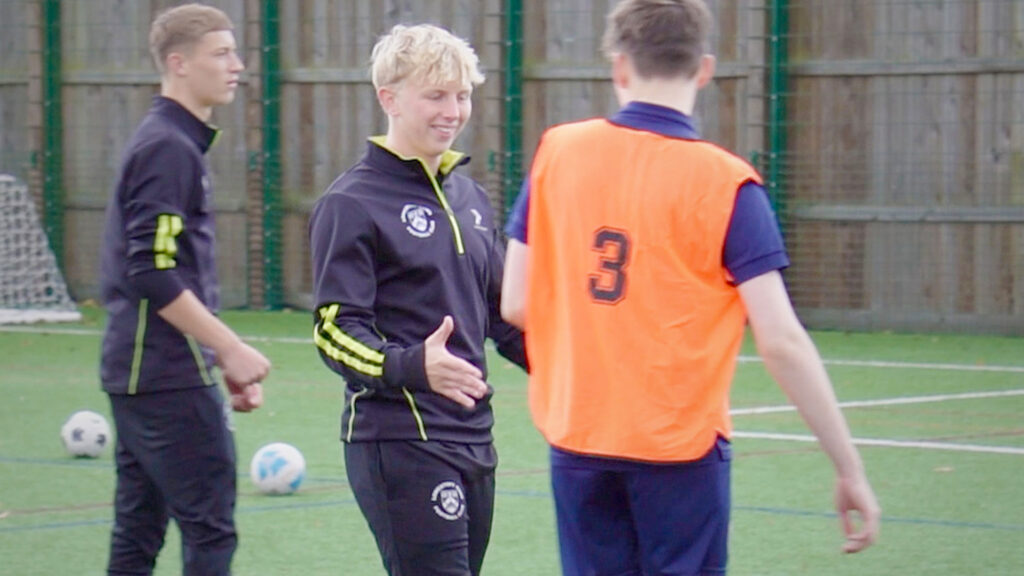
Breaking into the world of sports coaching isn’t just about having passion for the game, it’s about gaining the kind of hands-on experience that shapes you into a confident and capable coach. Whether you’re just starting out or aiming to climb the coaching ladder, work experience both voluntary and paid is one of the most valuable investments you can make in your career.
In this post, we’ll explore why real-world experience matters, how each type plays a unique role, and how you can make the most of both.
Bringing Coaching Theory to Life
Sports coaching qualifications provide the scientific foundation behind training methods, motivation, and skill development. However, real growth begins when you apply that knowledge in practical settings such as a field, court, or studio.
Through both voluntary and paid coaching experience, you learn how to prepare engaging and structured sessions that keep participants interested and progressing. You also develop the ability to communicate effectively with different age groups, ensuring your message is clear and appropriate for your audience.
In addition, real-world coaching teaches you how to adapt quickly when sessions don’t go as planned, manage group dynamics, and maintain a safe and motivating environment. These are essential skills that cannot be fully mastered through theory alone; they require consistent, hands-on practice.
Volunteering: The Launchpad for New Coaches
Voluntary coaching is often the first step into the industry and serves as a valuable learning platform. It provides a supportive environment where you can experiment, learn from mistakes, and gradually build confidence without the pressure that often comes with paid roles.
One of the key advantages of volunteering is the opportunity to build a coaching portfolio by delivering real sessions. Organisations are typically more flexible with scheduling, making it easier for beginners to gain experience alongside other commitments.
Volunteering also allows you to observe experienced coaches in action, giving you insight into different coaching styles and techniques. Beyond skill development, it demonstrates your passion and commitment to the sport, which is highly valued by future employers. At the same time, it offers a rewarding chance to give back to the community.
Paid Roles: Stepping Into Professional Coaching
Once you’ve developed a solid foundation, transitioning into paid roles becomes an important step in your career progression. Paid coaching positions indicate that you are ready to take on greater responsibility and deliver high-quality sessions consistently.
In these roles, you are held to professional standards and expectations, which helps you refine your discipline and reliability as a coach. You are often given the opportunity to lead sessions independently, allowing you to take ownership of your coaching practice.
Paid experience can also open doors to more specialised areas, including working with performance-level athletes or focusing on specific aspects of the sport. It strengthens your CV and makes you more appealing to clubs, schools, and sports organisations, while also providing access to advanced coaching pathways and greater career stability.
Building a Network That Opens Doors
In sports coaching, relationships play a crucial role in career development. Every coaching session, match day, or volunteering opportunity introduces you to new people who may influence your future opportunities.
Through work experience, you build strong connections with other coaches, support staff, and sports organisations. These relationships can lead to mentorship opportunities, early access to workshops and qualifications, and valuable references when applying for roles.
Over time, your network becomes an essential part of your professional toolkit, growing stronger with every experience and interaction.
Discovering Your Coaching Identity
Gaining experience in different environments helps you shape your unique coaching identity. As you work with a variety of athletes and settings, you begin to understand what suits you best.
You may discover a preference for working with youth athletes, grassroots programmes, or high-performance environments. You’ll also develop an understanding of which coaching philosophies align with your values and approach.
This process of exploration is key to finding where you truly belong in the coaching world and helps guide your long-term career direction.
Meeting Qualification Requirements
Many coaching certifications require evidence of practical coaching hours as part of their criteria. Volunteering is often the most accessible way to meet these requirements while gaining valuable experience and feedback from qualified professionals.
Paid roles further enhance this experience by allowing you to apply your skills in more structured and demanding environments, reinforcing your learning and development.
Accelerating Your Career Progression
Combining voluntary and paid experience creates a well-rounded coaching profile that stands out in a competitive industry. Employers are looking for individuals who not only understand the theory behind coaching but have proven their ability to deliver effective sessions in real-world settings.
This blend of experience can lead to opportunities such as lead coaching roles, positions within academies, schools, and clubs, as well as pathways into sports development or performance coaching. Ultimately, it contributes to long-term career stability and growth.
Final Thoughts
Whether you’re volunteering your time or earning a wage, every hour spent coaching contributes to your development. Voluntary experience helps build your foundation, while paid experience strengthens your professionalism.
Together, they shape you into a confident, capable, and adaptable coach. If you’re serious about growing your sports coaching career, start saying “yes” to opportunities no matter how small. The experience you gain today could define the coach you become tomorrow.
Apply today to start your sports coaching training!
